 Image 1 of 2
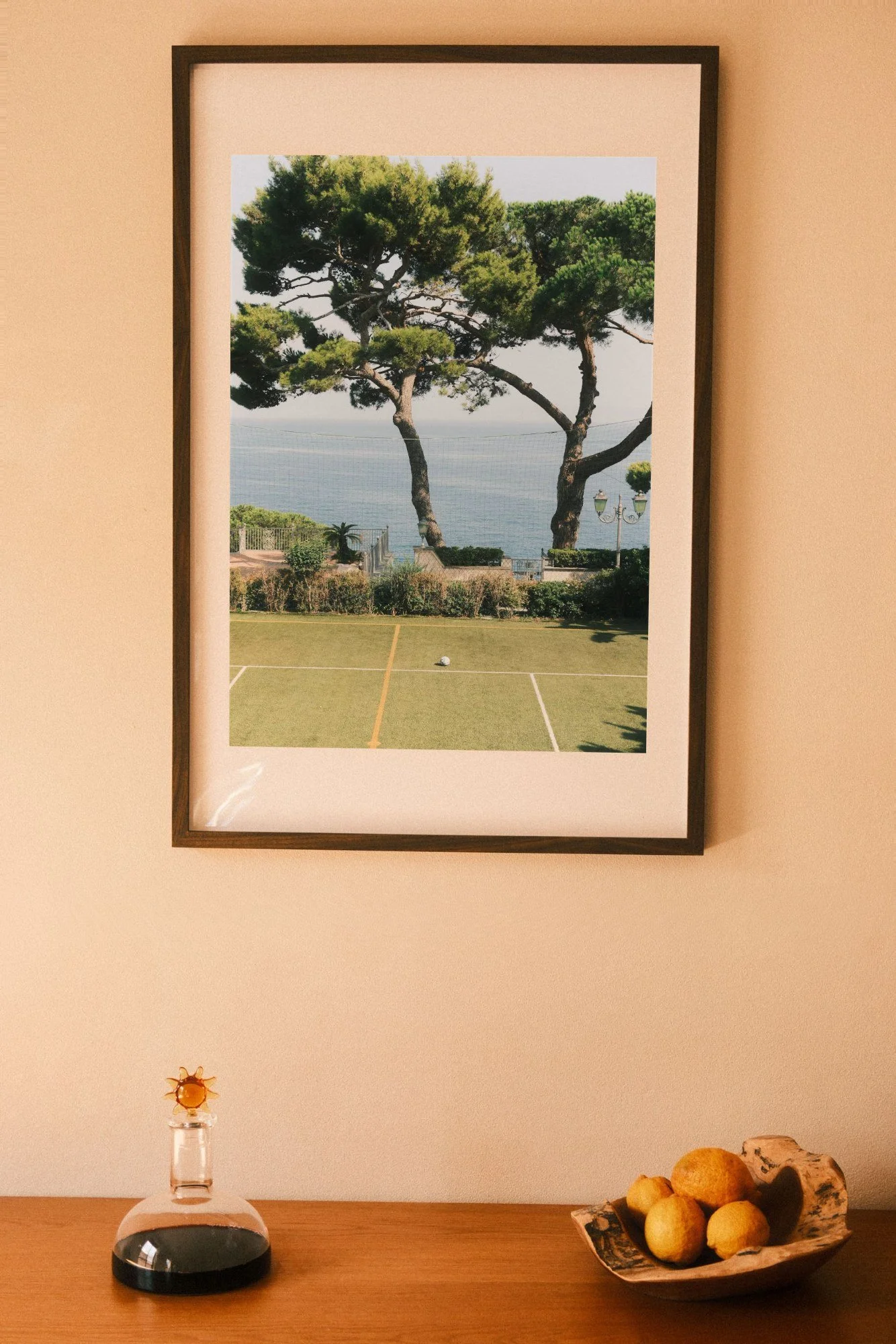 Image 2 of 2
In Greek mythology, sirens were creatures whose singing no sailor could resist: men who heard it steered towards the sound and died on the rocks. Partenope was one of them, and she lived in this bay. When the hero Odysseus sailed through and her song failed to hold him, she threw herself into the sea. The current left her body on the rock where Castel dell’Ovo, the oldest castle in Naples, stands today. The Greeks held that any ground where a divine being had died became sacred. So instead of sailing on, they settled on that spot. The town they founded grew into Naples. Nearly three thousand years later, its people are still called partenopei: Partenope’s.
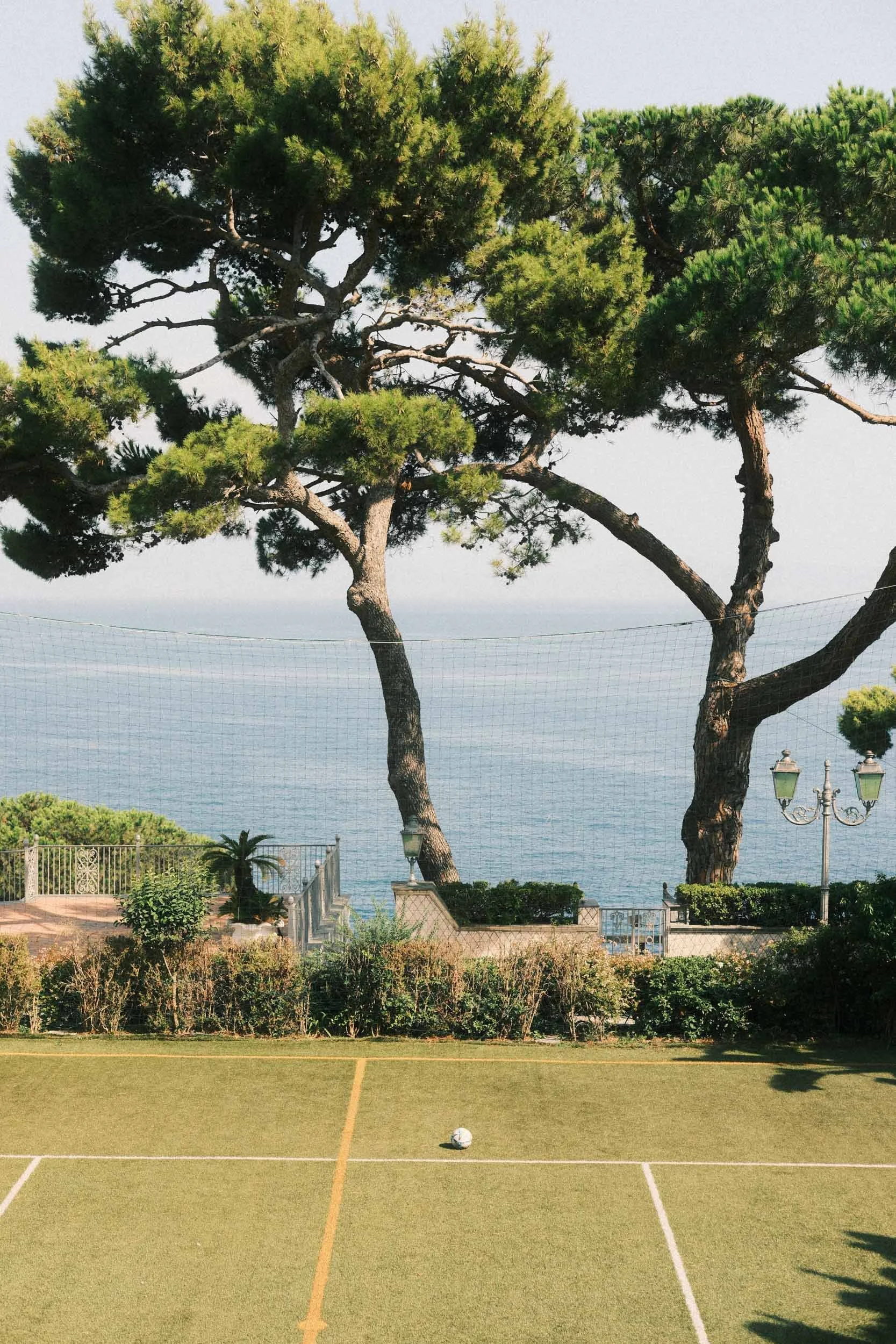
An image of my own, inspired by Paolo Sorrentino’s film Parthenope, where woman, sea, desire and Mediterranean beauty seem to exist in perfect harmony. Are we playing in paradise?