About me
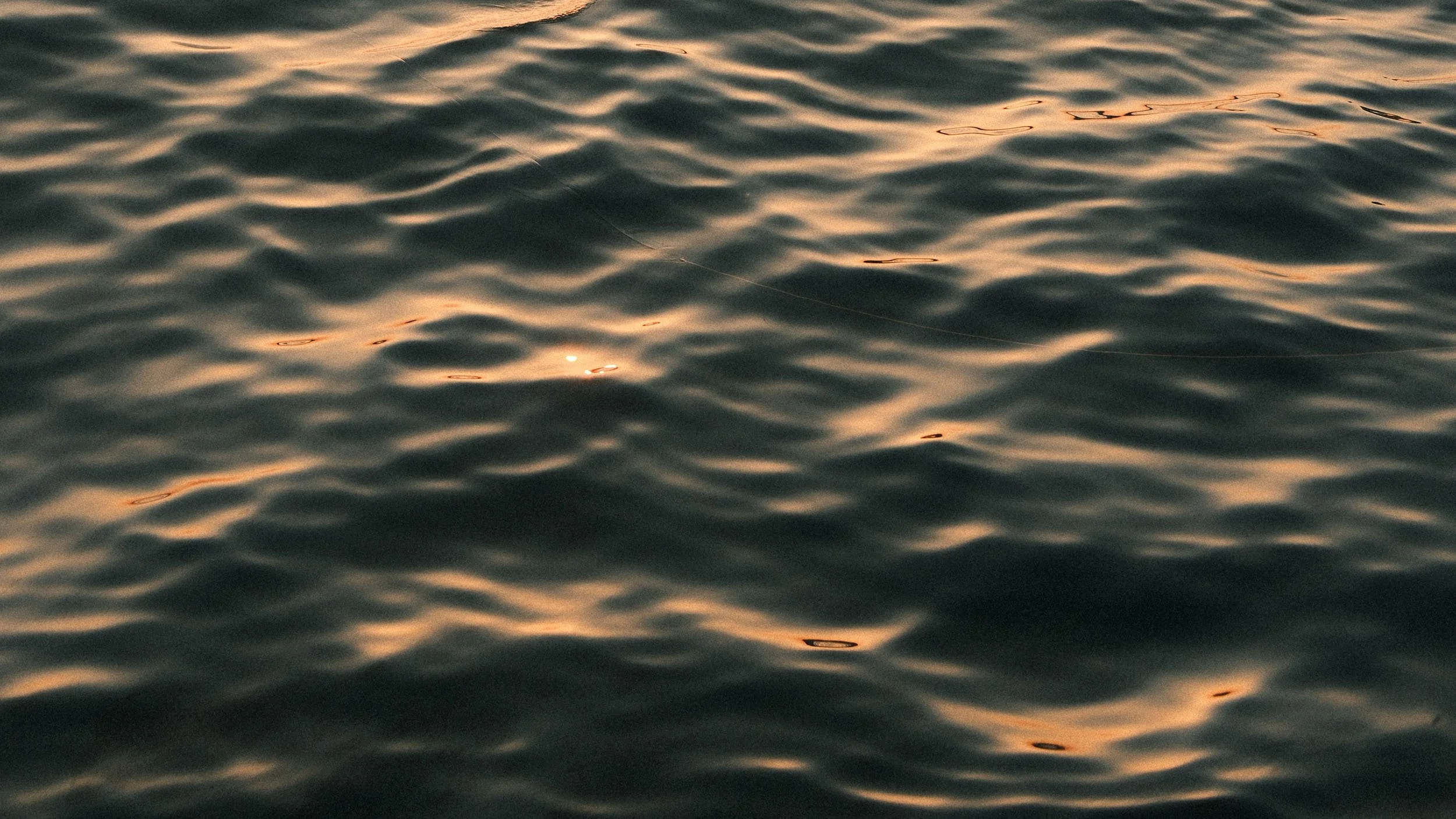
Spanish-Australian photographer Shanti Jimbo explores human stories hidden in everyday life. His documentary work lives between light and shadow, where human figures emerge and reveal the narrative that lies beneath the surface of mundane moments. The sea as landscape, the human as protagonist, an unseen story. Just one shot, an analogue aesthetic for a digital world. One camera and a 35mm lens. No zoom, no second chances.
Fine Art Prints
The print
Each photograph is printed by a professional fine art laboratory using the Giclée printing process, an archival inkjet technique renowned for its exceptional detail, colour depth and longevity.
Rather than applying ink in continuous layers, Giclée printing uses millions of tiny, precisely sprayed pigment droplets to create an exceptionally detailed image. The result is a print with remarkable tonal depth subtly evoking the texture of brushstrokes and a handcrafted feel.
Each one is made to order, one at a time, in a limited edition of thirty.
The paper
Paper was made from hemp long before it was made from trees. Rags, cloth and hemp were the raw materials when Hahnemühle began milling paper in Germany in 1584. Wood pulp only took over later, because it was cheaper.
These prints are on Hahnemühle Hemp, 290 gsm, from their Natural Line: sixty per cent hemp fibre, forty per cent cotton. The cotton is not filler. Hemp fibre on its own is too stiff to run cleanly through a printer, so it is blended with cotton that Hahnemühle take as a byproduct of the textile and oil industries, fibres that would otherwise be thrown away.
It is a matte sheet, half a millimetre thick, with a light felt surface that lets the grain of the photograph stay visible instead of covering it with the texture of the paper. It contains no optical brighteners at all, so the white you see is the white of the fibre, warm rather than clinical, and it stays that way instead of dulling as brighteners break down. Acid free and made to ISO 9706, the museum standard for paper meant to last, so it will not yellow with age.
Why hemp
Hahnemühle went back to hemp for reasons that have nothing to do with nostalgia. The plant grows in a single season, without pesticides and with minimal irrigation, and gives more cellulose from the same ground than the usual alternatives. The fibre takes several times longer to prepare than ordinary pulp, and Hahnemühle do it anyway.
It is also the ideal surface for this work. The grain belongs to the photograph, not to the paper, and this one lets it show.